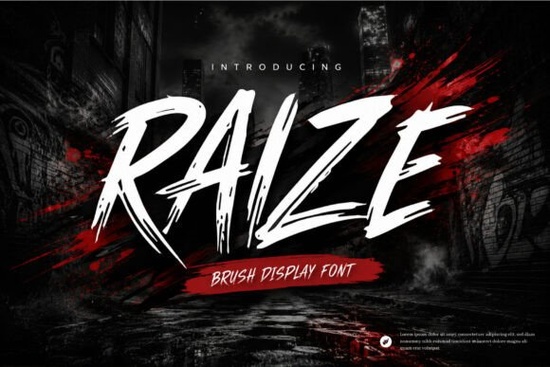
Raise your creative standards without lifting your pen. That is the promise of Raize Brush Font. This tool is built for anyone who wants their visuals to feel urgent and alive. It captures a rebellious soul through heavy illustrative weight and hand-painted textures. Instead of smooth vector curves, you get visible dry-brush splatters that bridge traditional Japanese calligraphy and modern street art aesthetics.
Many designers struggle to find a typeface that balances readability with raw emotion. Standard sans-serifs often look too sterile for extreme branding, while handwritten scripts can appear too casual. Raize sits firmly in the middle ground. It is engineered for high-energy environments where visual noise acts as positive space. Whether you are working on a poster, a t-shirt, or a banner, this display typeface offers a visceral energy that commands attention immediately.
Why choose a brush style for your next project?
Choosing the right letterform comes down to the message you want to send. A sharp geometric font communicates precision, while a brush font conveys movement and effort. In this typeface, the aggression of the letterforms mimics the act of painting on a large wall. The rhythmic strokes imply speed, making the text feel like it was captured in mid-action. This is particularly useful for industries that value physical exertion or rapid change.
If you have worked before, you might recognize how difficult it is to maintain consistency when mixing styles. Sometimes a font feels too rigid, like it was forced into place. Other times, it lacks the weight needed for headlines. While Raize focuses on the explosive side of expression, sometimes you might need something grittier for a background element. Exploring resources like Rough Bold Font can give you complementary options that share that textured foundation without overpowering your layout.
Which platforms handle this font most effectively?
This display font performs exceptionally well in digital and print formats where contrast is key. You will find it most effective on social media headers, specifically Instagram stories or YouTube thumbnails where seconds count. The legibility remains intact even when scaled down, thanks to the open counters and distinct shapes within each glyph. Because it carries a loud personality, it works best when paired with cleaner supporting text, such as a simple sans-serif body copy.
Small business owners often ask if this is suitable for packaging. The answer is yes, particularly for beverages or snacks targeting a younger demographic. The visual impact cuts through clutter on a shelf just as easily as it does on a screen. However, balance is essential. If your logo uses a complex illustration, this font might compete rather than complement. For those situations, a lighter touch may serve better. Consider checking out designs inspired by Mobie Font for brands that need energy but require a slightly more rounded approach to their identity.
Another consideration is the theme of your campaign. Action cinema titles benefit immensely from this stroke style, but so do fitness event flyers. If you are designing merchandise for independent creators, the typography becomes part of the brand story itself. Occasionally, you might need something with more character-driven quirks. Fonts like Aspen Font offer distinct display features that allow you to pivot from raw power to quirky individuality depending on the customer segment you are addressing.
How do you prepare the files for production?
Once you have selected your typeface, installation should be straightforward. Most professional tools accept OpenType or TrueType files without issue. The included ligatures help connect letters smoothly, reducing awkward gaps between characters during dynamic compositions. It is important to test your mockups before sending them to print. Dry-brush effects can sometimes lose detail if printed at low resolutions, so always export your final files in high DPI settings to preserve the splatter texture.
Licensing is another factor to consider before committing to a subscription or single purchase. Review the agreement to ensure commercial rights cover your intended usage, such as merchandising or client work. Some free resources lack legal protection for public-facing campaigns. Ensuring your workflow is legally sound protects your reputation and your clients. For additional inspiration on pairing fonts, looking at Banana Bogart Font might reveal how different stroke weights interact within a full alphabet set.
Maintaining cohesion across a project can be challenging when juggling multiple assets. If you find yourself needing variety alongside the main headline font, having backups helps. For instance, Momo Font provides a different kind of visual rhythm that pairs well when you need to break up long blocks of content. Using multiple font families allows you to create hierarchy without losing the overall energetic vibe of your design system.
Your design setup checklist
- Test Legibility: View your headline at actual size on mobile screens to ensure the brush details remain clear.
- Check Contrast: Ensure dark backgrounds are light enough to support the font weight without losing ink coverage.
- Verify Licensing: Confirm that your plan allows for unlimited client projects and merchandise sales.
- Export Correctly: Save vector PDFs for print and high-res PNGs for web to maintain crisp edges.
- Pair Carefully: Use a simple sans-serif body font to prevent the design from becoming visually overwhelming.
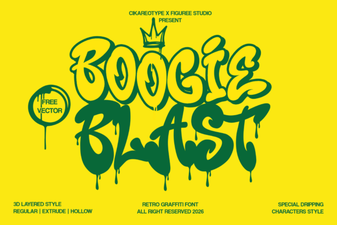 Boogie Blast Font for Retro Design Projects
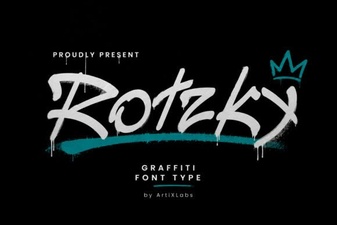 Rotzky Font: Stylish Designs for Creative Projects
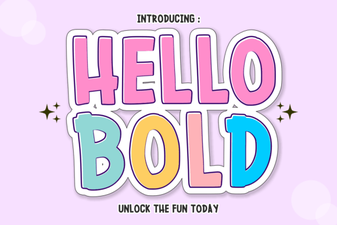 Designing with Bold Impact: Hello Bold Fonts
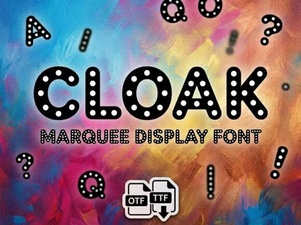 Stylish Typography with the Cloak Font Family
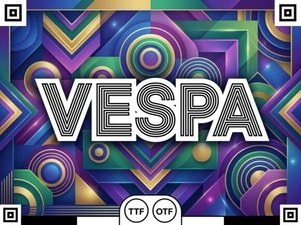 Vespa Font: Classic Design for Modern Projects
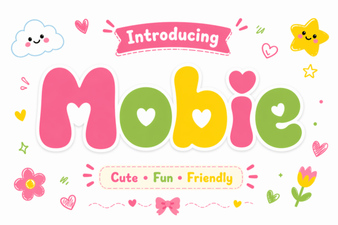 Mobie Font: Creative Projects & Typography Ideas