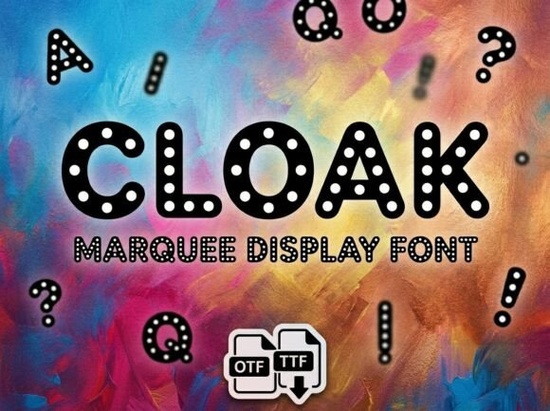
Finding the right typography for a project can change how people feel about your brand before they even read the message. If you are looking for something with drama and history, Cloak brings that theater magic straight to your screen. This typeface features thick, rounded letterforms illuminated by a rhythmic pattern of bright “light bulb” dots. These elements create a classic theater-sign effect suitable for event branding, cinematic titles, and retro party invitations.
What distinguishes this marquee style from other display fonts?
The distinct feature of Cloak Font lies in its simulated lighting. Unlike standard block letters, this design mimics the physical reality of a marquee box office or an old-school carnival sign. The high-contrast black-and-white aesthetic ensures readability even when scaled down for small items, which is crucial for print-on-demand sellers creating merchandise like t-shirts or tote bags. When you apply this to social media headers, it grabs attention immediately because it breaks the visual monotony of flat colors often seen in modern web design.
This style draws from the golden age of show business, specifically mid-century cinema and circuses. Using a font with such historical weight adds instant credibility and nostalgia to your designs. It signals that whatever you are promoting has entertainment value or a sense of occasion. While many sans-serif fonts aim for neutrality, this typeface aims for engagement and excitement. It is not just text; it acts as a visual element itself.
Which complementary fonts should you consider alongside it?
Design rarely happens in isolation, so having backup options helps when you need slight variations in tone. If you want a similar rounded shape but without the literal light bulbs, you might check out Momo. That resource offers a soft, friendly geometry that pairs well if you need to balance out some of the intense energy of a marquee design. Conversely, if your project leans more toward grunge or industrial themes rather than glamour, exploring Rotzky provides a sharper edge that feels gritty yet structured.
Sometimes texture is key to making a vintage font pop on paper. For designs that require a worn-in look, Rough Bold introduces surface noise that complements the clean dots of a theater sign. This combination works especially well for festival flyers where weathered textures add to the authenticity of the vibe. For a different kind of celebration, Boogie Blast fits perfectly into disco or swing-era parties where curves and movement are essential.
On the other hand, if you need something less ornamental for subheadings, Hello Bold keeps things legible while maintaining the bold weight required for impact. Balancing heavy display fonts with sturdy supporting text is a fundamental rule of typography to ensure your audience can actually read the information. Mixing these styles allows you to build a cohesive visual identity across a large campaign without losing consistency.
How do you implement this typeface in real-world projects?
Practical application matters more than theory. Print-on-demand creators often struggle with sizing issues. Because the "bulb dots" rely on spacing between characters, kerning becomes very important. If letters are too close together, the individual bulbs merge into a blob, losing their sparkle. You should test the output size before committing to a full print run. A good practice is to preview the design at both 100% and 25% scale to see if the details remain distinct.
For event planners organizing a birthday bash or a wedding with a Vegas theme, this font serves as the perfect headline. Imagine printing a large poster where the guest of honor’s name glows with electric light effect. It transforms a standard invitation into a ticket to a show. Similarly, boutique shop owners can use it for window signage to evoke a nostalgic storefront feeling. The simplicity of the color palette means you can overlay these graphics over photographs or keep them solid for cleaner cuts on vinyl machines.
A Quick Workflow Checklist for Download and Usage
- Verify File Compatibility: Check if the package includes OTF and TTF files to ensure they work on both Mac and Windows systems.
- Test Spacing: Preview the font at small sizes to ensure the "dot" details do not disappear on low-resolution screens.
- Licensing Review: Confirm your license covers commercial merchandise if you plan to sell products featuring this design.
- Color Experimentation: Try adding warm yellow glows behind the white bulbs to simulate actual neon light effects in editing software.
- Contrast Check: Ensure sufficient background contrast so the intricate letterforms remain visible.
Starting a new creative project with the right tools sets the foundation for success. By choosing a font with personality like this one, you save time on graphic overlays since the typeface does much of the visual heavy lifting itself. Always remember to export your final files in vector formats when possible to keep lines sharp for professional printing.
Try It Free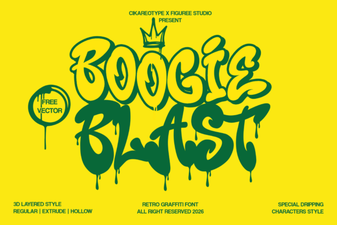 Boogie Blast Font for Retro Design Projects
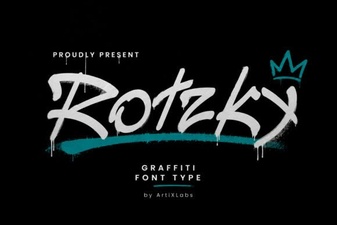 Rotzky Font: Stylish Designs for Creative Projects
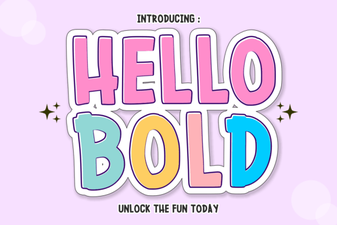 Designing with Bold Impact: Hello Bold Fonts
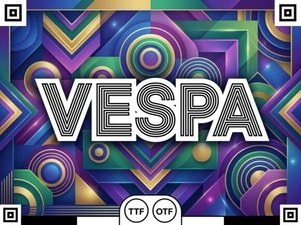 Vespa Font: Classic Design for Modern Projects
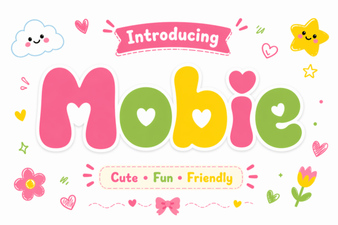 Mobie Font: Creative Projects & Typography Ideas
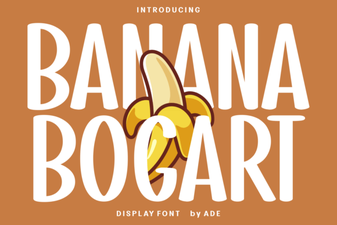 A Font for Vintage Character & Modern Legibility