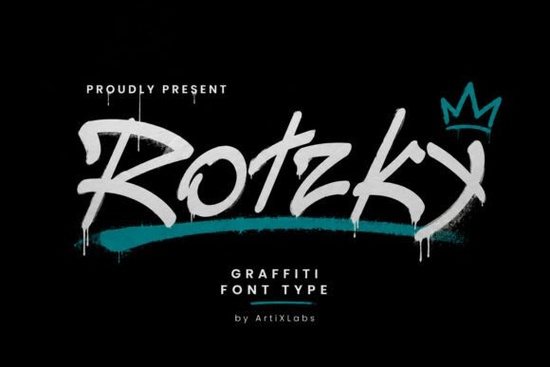
Looking for a typeface that captures city life without sacrificing readability? You might find exactly what you need in the Rotzky Font. This family brings a gritty, energetic texture that feels right at home on a brick wall or a t-shirt tag. Unlike standard sans-serifs, this style leans heavily into the aesthetic of street culture, offering sharp angles and rough edges that grab attention immediately. Whether you are designing merch for a local band or updating branding for an urban lifestyle shop, this option provides the visual punch needed to stand out.
How the style stands apart from typical lettering
Standard fonts often aim for neutrality, but this typeface is designed to be opinionated. It mimics the look of hand-painted signs made with spray cans or markers. The strokes vary in thickness, creating a sense of movement even when the text is static. This approach works exceptionally well for projects requiring high visual impact. While softer script fonts might suit luxury beauty products, a bold display type like this signals durability and raw creativity.
If you enjoy this rough texture, you might also explore options like Raize Brush. That selection offers similar organic fluidity while retaining strong definition. However, where some brush fonts become messy at smaller sizes, this particular design maintains legibility down to medium weights. It balances the chaotic nature of graffiti with the structural consistency required for professional printing. Many users choose this path because they want their typography to reflect personality rather than conform to corporate standards.
Where this font works best for your projects
Designers frequently use this typeface for apparel and promotional materials. Imagine a logo for a skate brand or event poster for an underground concert. These contexts benefit from the aggressive stance of the characters. The letterforms carry a rebellious spirit that resonates with audiences interested in counter-culture or modern streetwear. It creates a hierarchy on the page that tells viewers to stop and look closer.
Beyond clothing, consider applying this style to digital assets. Social media graphics need to stop the scroll, and large, textured headlines do exactly that. Think of YouTube thumbnails for gaming channels or music promotion videos. Even physical signage benefits here, whether it is a cafe menu board or a banner for a pop-up market. When paired with dark backgrounds, the white or neon variants of the letters pop vividly.
For those who prefer cleaner but equally impactful options, taking a look at Hello Bold offers a slightly smoother alternative with comparable presence. If your brand needs strength but less chaos, that choice provides weight without the jagged edges. Still, if you want that authentic grit, sticking to the original source remains the strongest recommendation.
What to check before using the typeface
Licensing varies depending on how you plan to sell items made with this design. Generally, Creative Fabrica grants broad rights for Print-on-Demand sellers, allowing you to place the text onto mockups for shirts, mugs, or posters without extra fees. Always read the specific terms attached to your download, though. Some fonts require attribution or have restrictions on trademark registration.
Before committing to a full rebrand or launch, test the installation process. Most users receive .OTF and .TTF files, which work across Windows and Mac systems. If you work in Adobe Illustrator, convert your text to outlines to prevent missing font errors. This ensures your design stays intact regardless of the computer opening the file. Vector formats are also helpful for scaling logos up for billboards or down for business cards.
Exploring similar vibes and alternatives
Sometimes a specific project calls for something different yet related to the same feeling. If you are building a retro-streetwear brand, examining Vespa can provide interesting comparisons. That style blends mid-century elegance with urban motion, perfect if your audience values nostalgia over rebellion. It keeps the dynamic energy but removes the harshness associated with raw graffiti.
On the other end of the spectrum, playful variations exist for lighter content. A font like Victim introduces humor and softness while keeping a distinctive character shape. Using such contrasts allows you to mix tones within a single campaign, balancing seriousness with levity. However, for a consistent, intense message, the primary design usually holds its ground better alone.
When comparing resources, remember that variety is key to finding the right fit for your voice. Browsing through collections helps refine your eye for what matches current trends. Searching for Rotzky Font directly can show you all available weights and styles in one view. Keeping these resources bookmarked saves time during later creative phases.
Finding the right typography often involves trial and error. Don't be afraid to test multiple versions in real-world scenarios. Sometimes a font that looks amazing on screen appears cramped when printed physically. Adjusting spacing or combining it with simpler supporting text can fix these layout issues effectively.
Quick Pre-Download Checklist
- Verify License: Confirm if you are allowed to use it for commercial merchandise.
- Test Sizes: Preview the text at both large headers and small body sizes.
- Check Outlines: Convert text to shapes before exporting final artwork.
- Review Contrast: Ensure the background color lets the lettering remain visible.
- Compare Similar Types: Look at Rotzky variants to see if another weight suits the mood better.
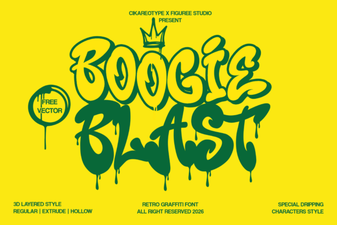 Boogie Blast Font for Retro Design Projects
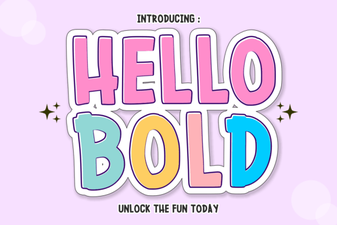 Designing with Bold Impact: Hello Bold Fonts
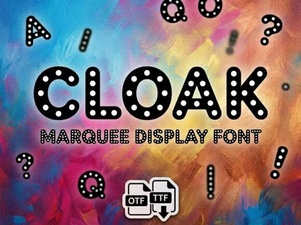 Stylish Typography with the Cloak Font Family
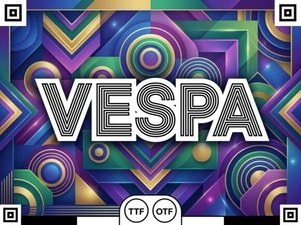 Vespa Font: Classic Design for Modern Projects
 Mobie Font: Creative Projects & Typography Ideas
 A Font for Vintage Character & Modern Legibility