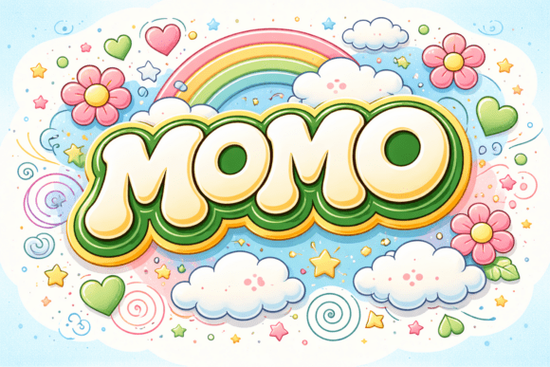
If you are looking for a way to bring a playful personality to your project, the Momo Font offers a distinct retro aesthetic that stands out immediately. It features heavy, rounded shapes inspired by the groovy visuals of the 1970s. Instead of standard rigid lines, this typeface uses inflated letterforms that feel soft and approachable. Each stroke is designed with organic irregularities that prevent the text from feeling mechanical. This blend of modern utility and psychedelic charm makes it perfect for designs that need to capture attention while remaining friendly.
How the design captures a specific mood
The core strength of this typeface lies in its extremely rounded edges. Unlike sans-serif fonts that prioritize clarity above all else, these letters use curves to convey emotion. When you look at the characters, you see thick, solid strokes that create a heavy visual impact even at smaller sizes. The lack of sharp corners reduces tension in a layout, making the overall composition feel safer and more inviting.
This characteristic is particularly useful for brands that want to appear fun and memorable. The subtle decorative tails on certain letters add just enough groovy flair to distinguish it from standard display fonts. Because the proportions are compact and dense, the text remains readable despite its bulkiness. This density helps the design pop in compositions that rely on high contrast between the text and a solid background color.
Ideal applications for bold headlines
Designers often struggle to find typography that balances commercial viability with artistic expression. This specific style solves that problem by leaning into nostalgia without sacrificing readability. It is especially effective for food and beverage branding. Think about snack wrappers, milk cartons, or dessert labels; the rounded shapes evoke a sense of taste and comfort that matches well with edible products.
Beyond packaging, this typeface works exceptionally well for posters and social media graphics. When used as a headline, it demands attention without shouting aggressively. Small businesses selling handmade goods often look for fonts that signal care and human effort rather than mass production. Since the shapes feel hand-drawn and slightly irregular, they support the narrative of a boutique or artisanal brand perfectly. You can pair the primary text with simpler supporting fonts to maintain hierarchy and readability across your marketing materials.
Finding the right style for your niche
While the bubbly, retro look is popular, it is important to consider if it fits your specific industry. If you are working on something darker or more aggressive, this might not be the right tool. In those cases, exploring other options like Black Army Grunge Font could provide the edgier texture needed for metal bands or streetwear labels. Conversely, if your project requires extreme playfulness without the retro element, checking out Victim Playful Font might offer a sharper take on whimsy.
For projects needing a vintage feel but perhaps less roundness, Rotzky Display Fonts provides a clean alternative. If you want something that leans closer to mid-century travel or classic Americana, Vespa Font maintains that period accuracy with a slightly more linear structure. Selecting the correct variation ensures your message lands clearly with the intended audience.
Preparing files and understanding licenses
Before starting a print-on-demand run or a large-scale logo design, it is essential to review the file contents. Most high-quality display fonts come in various formats, such as OTF or TTF, ensuring compatibility across different software suites. Check specifically if you have access to web fonts or desktop files depending on your distribution method.
- Verify Commercial Rights: Ensure your license allows for merchandise sales if you plan to sell items printed with the text.
- Test Spacing: Some condensed fonts require manual kerning adjustments to look balanced.
- Contrast Checks: Place the font on both light and dark backgrounds to verify legibility.
- File Formats: Confirm which file extensions are included for your operating system.
Using the right tools prevents headaches later during production. Always double-check the terms regarding how many projects you can use the font on, as this varies by vendor policies. Having the correct documentation ready saves time when submitting client work or uploading to marketplaces.
Your next step
Once you download the asset, try creating a simple mockup before finalizing anything. Apply the text to a sample product bag or a banner image to see how it renders in reality. If the strokes are too heavy for your space, experiment with changing the line height or reducing the size slightly. A test run will give you confidence that the design choices align with your goals before you commit to printing or publishing.
Download Now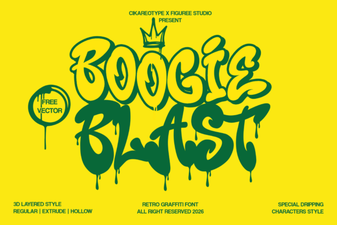 Boogie Blast Font for Retro Design Projects
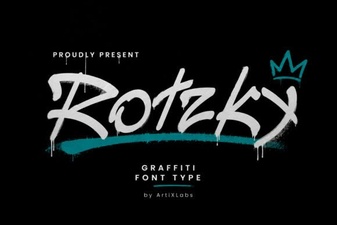 Rotzky Font: Stylish Designs for Creative Projects
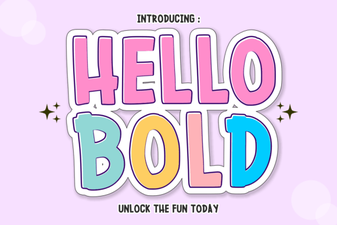 Designing with Bold Impact: Hello Bold Fonts
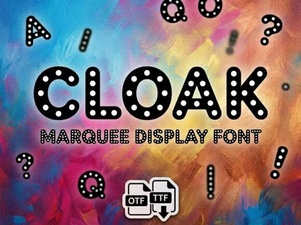 Stylish Typography with the Cloak Font Family
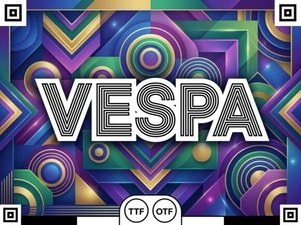 Vespa Font: Classic Design for Modern Projects
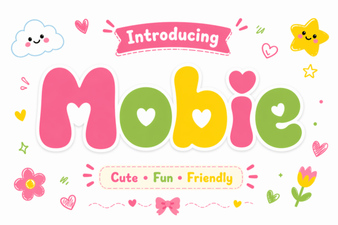 Mobie Font: Creative Projects & Typography Ideas